Introduction
Varicose veins are not just a cosmetic issue; they can symbolize underlying health issues that need attention. With developments in medical innovation, varicose vein removal has actually become more accessible than ever. Comprehending what to expect before, throughout, and after your procedure is essential for anybody considering treatment. This guide intends to equip you with extensive knowledge about varicose vein elimination processes, care alternatives, and recovery.
Varicose Vein Elimination: What to Anticipate Before, Throughout, and After Your Procedure
Understanding Varicose Veins
Varicose veins take place when veins become bigger or inflamed due to malfunctioning valves. Typically looking like blue or dark purple bulges on the legs, they can cause discomfort or more severe problems if left unattended. Seeking consultation from a vein doctor at a credible vein treatment center is the first step towards much healthier veins.
The Significance of Vein Care
Maintaining good vein health goes beyond aesthetic appeals; it affects total wellness. Correct vein care can avoid more complications related to varicose veins, including embolism or persistent venous insufficiency.
Consultation with a Vein Care Specialist
Before any procedure, it's essential to speak with a vein care specialist During this preliminary visit:
- You'll discuss your symptoms. A physical examination will be conducted. Diagnostic tests like ultrasound may be performed.
This thorough assessment helps identify the very best course of action tailored to your needs.
Choosing the Right Vein Treatment Center
Finding a Regional Veins Clinic
When looking for an appropriate center for your treatment, consider looking for terms like " veins physician near me" or " advanced vein procedures" A regional clinic makes sure convenience and access to follow-up care.
Evaluating Credentials and Experience
Ensure that the vein center is staffed by certified experts experienced in vascular surgical treatment. Try to find accreditations and client reviews that reflect their competence in managing conditions related to varicose veins.
Types of Varicose Vein Elimination Procedures
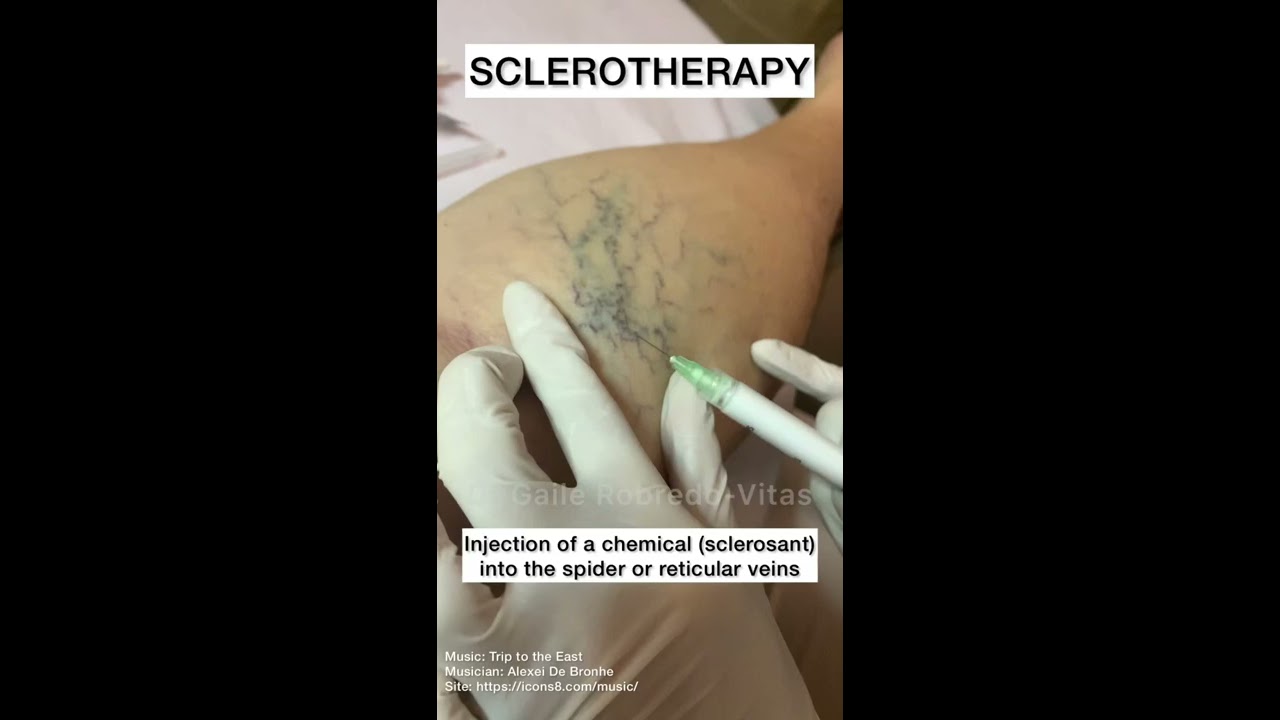
Sclerotherapy: A Non-Surgical Approach
Sclerotherapy involves injecting a solution into the affected veins, triggering them to collapse and fade over time. It's generally recommended for smaller varicose veins and spider veins.
Laser Treatments: Advanced Technology
Laser therapy uses focused light energy to target specific areas of the vein without hurting surrounding tissue. This technique is less invasive and often requires minimal downtime.
Endovenous Laser Treatment (EVLT)
EVLT is a minimally intrusive procedure where laser energy is used inside the vein. It's progressively popular due to its efficiency and fast healing time compared to conventional surgical methods.
Preparing for Your Procedure
Pre-Procedure Guidelines
In preparation for your varicose vein removal:
- Avoid blood slimmers like aspirin. Stay hydrated. Discuss any medications with your medical professional ahead of time.
These steps will assist ensure that the treatment runs smoothly and safely.
What to Wear on Treatment Day
On the day of your procedure:
- Dress easily in loose-fitting clothing. Wear sturdy shoes as you might be advised to walk post-surgery.
During the Treatment: What Happens?
Anesthesia Options Explained
Depending on the type of treatment picked:

- Local anesthesia might be utilized for sclerotherapy. Sedation might be offered for more extensive treatments like EVLT.
Your vein physician will go over these choices throughout your consultation.
Step-by-Step Overview of Typical Procedures
Preparation: The area will be cleaned and marked. Anesthesia: Administered based upon specific needs. Procedure Execution: The selected technique (sclerotherapy/laser) will take place. Monitoring: Post-procedure tracking makes sure no immediate problems arise.Aftercare Guidelines Following Varicose Vein Removal
Immediate Post-Procedure Care
After your treatment:
- Rest as advised by your health care provider. Monitor for signs of complications such as increased swelling or staining around treated areas.
Activity Constraints Post-Surgery
Avoid heavy lifting or exhausting activities instantly following surgery:

- Light walking may be motivated within hours post-procedure unless otherwise defined by your doctor.
Table 1: Common Healing Timeline
|Day|Activity Level|Recommendations|| -----|----------------------------------|-----------------------------|| 1|Rest Day|Prevent strenuous activities|| 3|Light Activities|Start mild walking|| 7|Steady Return|Resume typical activities|
Long-term Care: Preserving Healthy Veins
Lifestyle Modifications Towards Healthy Veins
Adopting much healthier routines can substantially impact your vein health:
Regular exercise boosts circulation. Maintaining a healthy weight reduces pressure on leg veins. Wearing compression stockings can provide assistance during extended sitting or standing periods.
Follow-Up Gos to at Your Vein Treatment Center
Post-treatment follow-ups are vital in examining recovery development:
- Regular check-ups help keep track of healing. Additional treatments might be necessary based upon individual outcomes.
FAQs About Varicose Vein Removal
1. What triggers varicose veins?
Varicose veins are primarily brought on by weakened valves in the veins, causing poor blood flow back towards the heart.
2. How do I understand if I require varicose vein removal?
If you're experiencing discomfort, swelling, or visible bulging veins that impact your lifestyle or result in discomfort, speak with a vein expert who can advise suitable treatment alternatives based on your condition.
3. Exist risks connected with varicose vein removal?
As with any medical procedure, risks consist of bleeding, infection, or allergic reactions but are normally low when carried out by skilled professionals at credible clinics.
4. For how long does recovery take after varicose vein removal?
Recovery times vary depending upon the kind of treatment however most clients return to normal activities within a week while sticking closely to aftercare guidelines offered by their doctors.
5. Exist non-surgical alternatives available?
Yes! Sclerotherapy and laser treatments work non-surgical alternatives readily available at numerous vein treatment centers concentrating on innovative methods for treating varicosities without major cut procedures.
6. Will my insurance cover varicose vein removal?
Coverage differs based https://josueufni178.mystrikingly.com/ upon insurance strategies; it's suggested to call your service provider ahead of time regarding coverage specifics related to vascular surgery treatments deemed clinically required versus those looked for purely for cosmetic reasons.
Conclusion
In summary, understanding what to anticipate from varicose vein removal-- before, during, and after-- is vital for making informed choices about your healthcare alternatives in pursuit of much healthier veins. Consulting a knowledgeable vein care specialist at a trusted vein treatment center will assist you through every action-- from diagnosis through healing-- making sure optimal outcomes tailored particularly for you! Welcome this journey towards improved venous health today!